
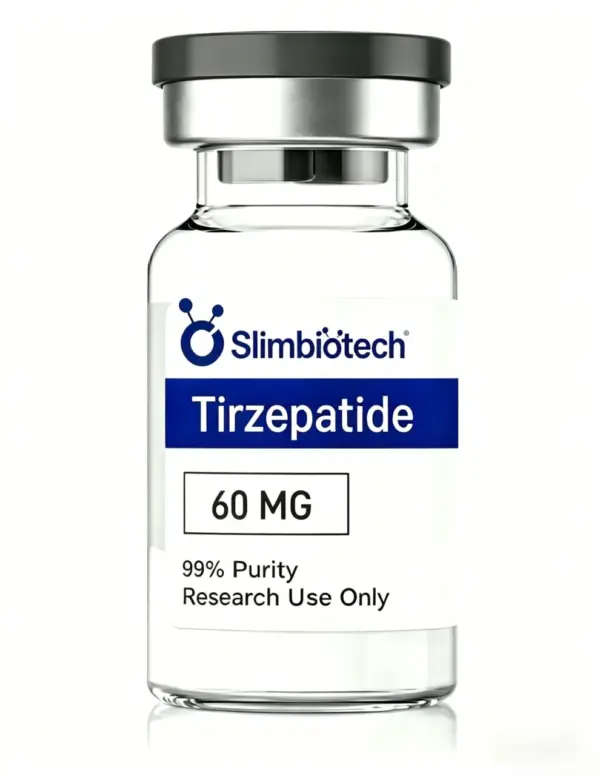
Tirzepatide 1kits (10Vials)
Tirzepatide is a GIP/GLP-1 dual receptor agonist developed by Eli Lilly (the world's first), marketed under the brands Mounjaro (diabetes), Zepbound (weight loss), and Mufengda®
Tirzepatide
Administration: Subcutaneous injection, once weekly (half-life approximately 5 days).
Core Function: Dual effect of lowering blood sugar and reducing weight; one of the first-line drugs for metabolic syndrome.
II. Mechanism of Action (Dual-Target Synergistic Effect)
Simultaneously activates two incretin receptors, 1+1>2:
GLP-1 Receptor Activation:
Glucose-dependent insulinotropic secretion → Lowering blood sugar.
Inhibition of glucagon, delaying gastric emptying → Enhancing satiety and reducing appetite.
GIP Receptor Activation:
Synergistically promotes insulin secretion and improves insulin sensitivity.
Reducing visceral fat, regulating lipid metabolism, and reducing nausea
III. Core Efficacy and Clinical Data
1. Blood Sugar Reduction (Type 2 Diabetes)
HbA1c Reduction: 1.8%–2.0% (Superior to most single-target GLP-1 inhibitors).
Suitable for: Type 2 diabetes patients with poor diet and exercise control, and comorbid obesity/cardiovascular disease.
2. Effective Weight Loss (Obesity/Overweight)
Weight Loss: 15%–21% (72 weeks, up to 24 kg), approaching the effect of bariatric surgery.
Suitable for:
BMI ≥30 kg/m² (Obesity);
BMI ≥27 kg/m² (Overweight) + at least 1 comorbidity (hypertension, dyslipidemia, diabetes, sleep apnea).
3. Comprehensive Metabolic Improvement
Blood Lipids: Lowers triglycerides, increases high-density lipoprotein.
Blood Pressure: Average reduction of systolic blood pressure by 4–6 mmHg.
Fatty Liver: Significantly reduces liver fat content.
Cardiovascular: Reduces the risk of major adverse cardiovascular events.
4. Other Indications
Obstructive Sleep Apnea (OSA): Improvement of OSA associated with moderate to severe obesity (National Health Insurance Administration).
IV. Dosage and Administration (Adults)
Initial: 2.5 mg once weekly for 4 weeks.
Regular: 5 mg → 7.5 mg → 10 mg → 12.5 mg → 15 mg (increases every 4 weeks).
Usually used maintenance: 5–15 mg/week (10–15 mg is commonly used for weight loss).
V. Common Side Effects and Contraindications
1. Common (mostly mild to moderate, lessening over time)
Gastrointestinal: Nausea, diarrhea, vomiting, constipation (incidence approximately 30%–50%).
Other: Headache, fatigue, hypoglycemia (when used in combination with hypoglycemic agents).
2. Contraindications
Personal/family history of medullary thyroid carcinoma (MTC).
Multiple endocrine neoplasia type 2 (MEN2).
Contraindications: Hypersensitivity to telpotrebide or any of its components.
Type 1 diabetes or diabetic ketoacidosis.
3. Contraindications for use with caution: History of pancreatitis, severe gastrointestinal disease, gallbladder disease, renal insufficiency.
VI. Comparison of Advantages (vs. smegglutide)
Stronger weight loss: telpotrebide 15%–21%; smegglutide approximately 15%.
Comparable or better blood sugar control.
Slightly lower incidence of nausea (GIP receptors can alleviate GLP-1-related nausea).
Research Use Only. This catalog information is reproduced from the customer legacy website. Products are not for human or veterinary use. Confirm current specification, availability and documentation before ordering.